
The winners of this year’s UN World Habitat Awards span the world and offer solutions that range from technical innovation to social activism. They come from the Netherlands, Indonesia, Switzerland, Chile, Germany, Kenya, Ukraine, and the United Kingdom
The gold winners are Energiesprong, of the Netherlands, which is reducing energy consumption in old buildings by 70-80% through retrofitting using innovative prefabricated panels and smart green technologies, and a project known as Housing Rights in Jakarta: Collective Action and Policy Advocacy, which is helping to protect the informal communities, known as ‘kampungs’, where thousands of low-income families live.
Housing Rights in Jakarta
When Jakarta’s city government evicted more than 10,000 families in 2015, it cited flood management, road construction, urban planning and illegal land occupation as among the reasons. It reflected decades of politicians portraying kampungs as a barrier to creating a modern, well-planned and clean Jakarta, a narrative that proved popular with voters.
But with the help of grassroots organisations, a group of kampung residents fought back. They successfully stopped the evictions of 256 people in three riverbank kampungs and helped 400 evicted families return to their neighbourhood to live in new apartments.
The project also challenged negative public perceptions of informal settlements and achieved city-wide regulatory changes that now protect all kampung residents from forced evictions.
‘Energiesprong’
Faced with the costly and time-consuming challenges of refurbishing and retrofitting old buildings to reduce energy use, a group of Dutch housing associations wanted to find a faster and cheaper way to retrofit their homes at scale. They asked manufacturers to come up with new solutions, promising that they would implement the best one.
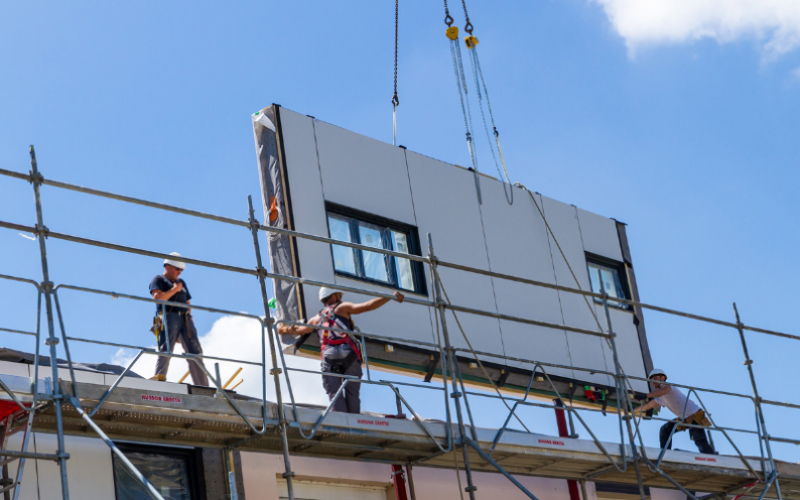
‘Energiesprong’ was the winning idea. It uses prefabricated insulated wall and roof panels and a range of smart green technologies. The pre-made panels are attached directly to the existing building, speeding up construction and minimizing disruption for residents.
Energiesprong retrofits take a very short amount of time (usually between seven and 10 days) and achieve a 70-80% reduction in the building’s energy use. Since its introduction in 2011, more than 10,000 projects have been completed in seven countries across Europe and North America, and thousands more are planned.
Silver – La Ciguë
Geneva is Europe’s most expensive place to live. Unaffordable rents and a shortage of dedicated accommodation make it difficult for students to find suitable accommodation, and many end up living in sub-standard housing, commuting from outside the city, or working long hours to pay rent.
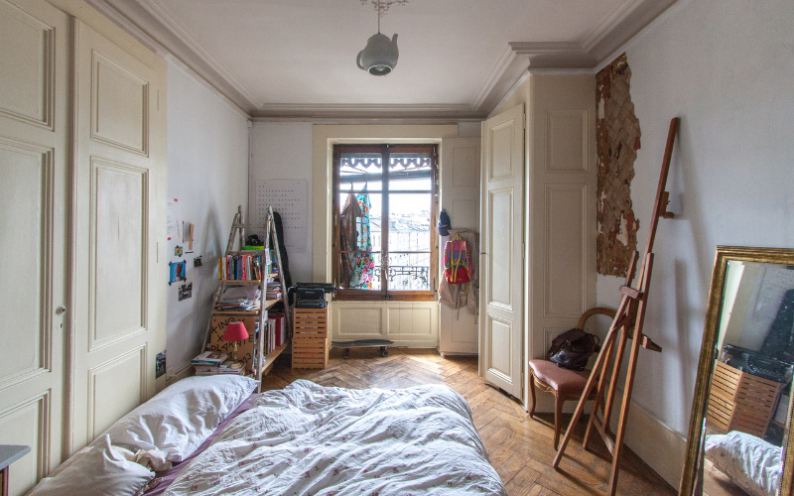
Created in 1986, the student housing cooperative now manages almost 740 rooms in city centre locations. Around 60% are in shared flats in empty properties leased from public bodies and private owners. The remaining 40% are in eight properties developed by La Ciguë. Rooms are let exclusively to people in training, such as students, interns, and apprentices, who become members of the cooperative. Rents are typically 55% less than open market rates and residents can stay for up to five years.
In 2022, the cooperative’s rental charges generated an income of CHF 3.5M ($3.92M USD), which is used to pay La Ciguë’s operating expenses. Any surplus money is channelled into future housing developments or solidarity projects helping vulnerable people locally and internationally.
Silver – Rural Habitability Program
Chileans living in rural areas often live in poor quality and overcrowded homes, which lack basic services such as electricity, efficient heating and proper sanitation. Reducing migration from the countryside to cities is important because rural productivity is critical to Chile’s economy and the extra pressure on urban areas is making the country’s significant housing crisis worse.
Since 2016 the Rural Habitability programme has built or renovated more than 10,000 high-quality homes, improving the lives of around 40,000 people. The target is to reach 11,298 homes by December 2025.
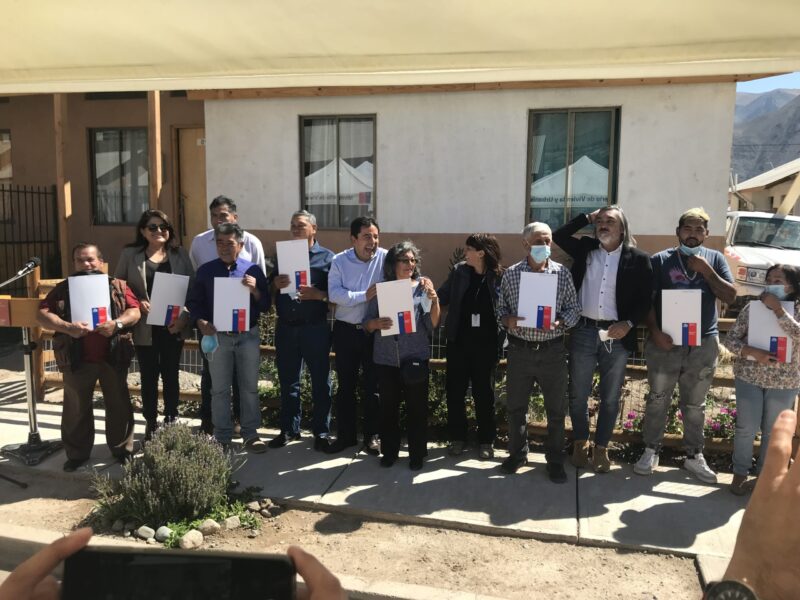
The Rural Habitability Programme gives substantial funding and technical support so people in remote communities can build a new house or improve their existing home. Higher priority and funds are given to low-income households, the elderly and those in very remote locations. Special focus is placed on vulnerable groups, such as indigenous people and women-led households.
Bronze – Nettelbeckplatz
The Nettelbeckplatz affordable housing estate in Berlin. a once iconic 1970s architectural landmark, was in desperate need of refurbishment and energy efficiency improvements.
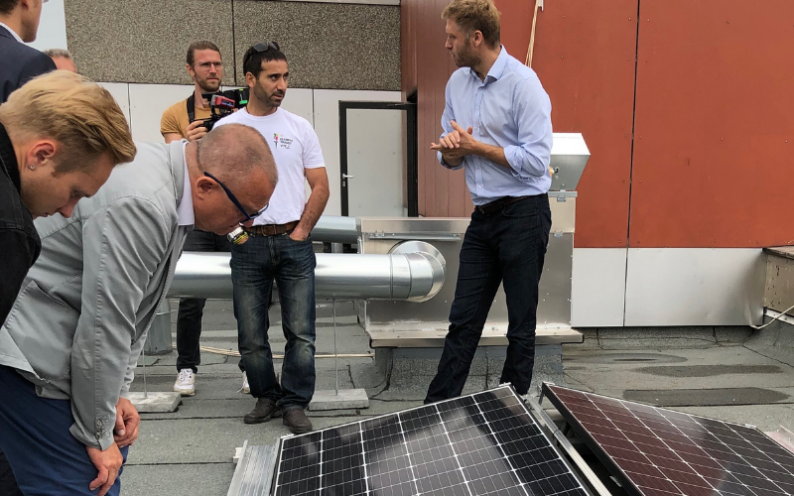
Housing cooperative 1892, which built and manages Nettelbeckplatz, came up with an innovative plan to make the estate more sustainable and revitalise the community, without affecting affordability for tenants. Energy-saving measures included new windows, insulation and solar panels to generate renewable electricity. Accessibility was improved for older residents and shared spaces were added
A block of 44 new apartments was built to attract a mix of new tenants, including 16 accessible homes for people with reduced mobility, a 10-bedroom assisted-living cluster for elderly tenants, and eight studio apartments for students. The new construction remained within the estate’s original footprint.
The four-year renovation, which cost €19.8 million ($21.4 million USD). was completed in 2019.
Bronze – DARAJA: The Inclusive City-Community Forecasting and Early Warning Service
DARAJA (Developing Risk Awareness through Joint Action) is a weather forecasting and early warning system specifically for residents of informal settlements. It operates in Kenya and Tanzania, where it provides regular, reliable weather information in accessible, easy-to-understand formats. The service also encourages people to carry out repairs to their homes and public spaces to minimise weather-related damage.
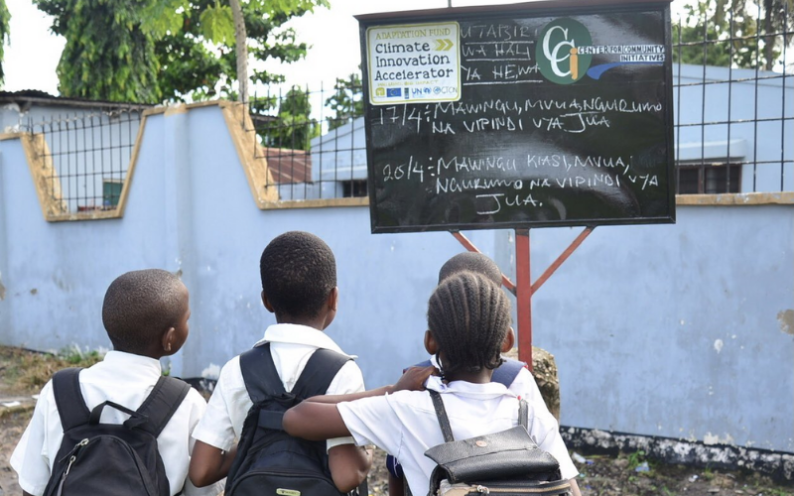
Informal settlement communities were heavily involved in designing the service, which is run by global social enterprise, Resurgence, in partnership with a wide network of local organisations. DARAJA has received $2 million USD in funding through Resurgence and has an annual budget of $300,000 USD.
Since September 2018, DARAJA has provided almost 1 million people in Kenya and Tanzania with better weather information, and it is believed that accessing the service has led to a 300% increase in household repairs made in response to weather forecasts in Nairobi, and a 122% increase in Dar es Salaam.
The service is now developing in Sudan, Uganda and Ethiopia. It is also being adapted for use in small island states. DARAJA hopes 25% of the 1 billion people living in informal settlements worldwide will be able to access its services by 2030.
Bronze – CO-HATY
The Russian invasion of Ukraine has forced over 12 million people to leave their homes, with more than 6.5 million people seeking shelter in western Ukraine, putting enormous pressure on social and affordable housing, which was already in very short supply.
The CO-HATY emergency housing project works with local government and a large network of agencies to convert abandoned post-Soviet municipal buildings into good-quality interim accommodation, which can be transitioned to flexible social housing after the war. It aims to offer Ukraine a viable alternative to the current reliance on privately owned housing and believes its model can help vulnerable people to access decent, safe, affordable and permanent homes after the conflict.
Established by urban laboratory METALAB and independent agency Urban Curators, CO-HATY has so far raised 48 million UAH ($1.3 million USD) to renovate four buildings, housing 640 internally displaced people. It plans to renovate four more buildings in 2023 and scale up to 15 in total.
Bronze – New Ground Cohousing Community
In the UK, the number of people aged 85 and over is expected to double to 3.2 million by 2041. While older people often have health and mobility issues, which can affect their ability to live independently, new and social housing is rarely being built with older people in mind.

New Ground Cohousing, an apartment block in High Barnet, North London, is the UK’s first and only mixed-tenure group-living community for women aged 50-plus. It hopes to show that by combating isolation and keeping residents active and living independently for longer, co-housing is a better option than traditional housing for millions of older people.
New Ground has 25 flats, of which eight are social housing, which is unusual in cohousing schemes. It is home to a diverse group of 26 women, aged 58-94, who manage all aspects of community life together.
All images by UN World Habitat
 Hopebuilding