Liverpool’s iconic River Mersey is no longer the dirty Mersey or the biologically dead river it was in the 1970s or 1980s. Local environmentalists say its recovery from more than 200 years of industrial pollution may possibly be the ‘greatest river recovery in Europe’.
“There’s dolphins, harbour porpoises, there’s jelly fish in the docks. All of those things you expect to see on holiday are now here on people’s doorstep in Merseyside and the fact that now people really value them and people in Merseyside really value their wildlife,” says Mike Duddy, senior project manager for the Mersey Rivers Trust, a charity which works to improve the river for people and wildlife.
“Over the last 30 years, there’s been this tremendous regeneration, this renewal of the River Mersey that started slowly but is now picking up pace,” he told the Liverpool Echo. “I still think we’re right at the beginning of something special.”
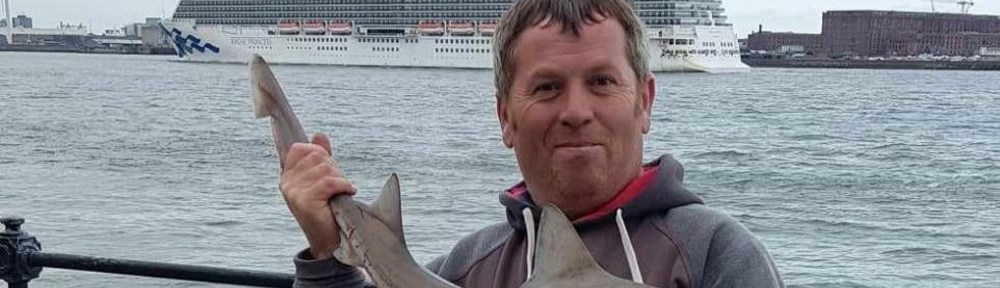
The Mersey Estuary Species Hunt, a partnership between anglers and the Mersey Rivers Trust, was his idea. Last year’s first survey in 20 years showed a huge increase in fish populations. Smooth-hound, bull huss sharks and starry smooth-hound sharks were among 45 different kinds of fish found in the river, more than double the 15 species recorded in the last survey in 2002.
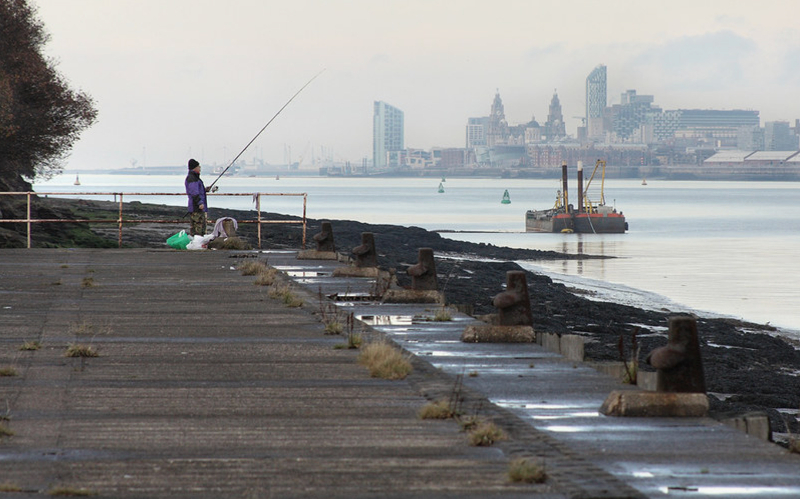
Cod, rays, scorpion fish, different types of eel, herring, stickleback, as well as edible species like bass, sole, and plaice were all identified in the river. A rare venomous fish called a bluemouth rockfish was also caught off the Wirral coast but not included in the Mersey competition.
“People travel all over the country and try and catch these fish and all those wonderful fish are now on our doorstep,” Duddy said.
It’s a remarkable recovery from the 1970s and 1980s when the river was possibly the most polluted one in Europe at the time, full of industrial pollution and sewage. It has been prompted by the billions of pounds spent on wastewater treatment works in the region since 1985, Duddy notes. “Everyone says that our wildlife is in decline, that’s actually the opposite in the Mersey where wildlife is on this rapid improvement curve.”
But no one is resting on their laurels.
The Liverpool City Region Combined Authority, which has committed to making the river discharge free by 2030, says that despite all the progress that has been made, there is “still a significant amount of work to do.”
United Utilities, which has invested more than £3bn since 1985 in its treatment works and sewer systems to help improve water quality, says that between now and 2030, “we’re planning to invest nearly £2bn in the Mersey and its tributaries to improve our wastewater treatment works and reduce the times that storm overflows operate.”
The Environment Agency, which regulates water companies, notes that three sonar surveys carried out on the rivers Mersey, Weaver and Dee found healthy numbers of fish and will for the first time analyse fish DNA levels.
“We are delighted by the number of species found in the River Mersey and are working hard as a regulator and with partner organisations to support the on-going recovery and future monitoring of threatened species such as salmon and eel,” a spokesman said.
Duddy says that it is the “best environmental good news story in Europe” and thinks it could be a boost for the environment across the whole region and into North Wales. He points to humpback whales being spotted off the coast of Liverpool in 2015 for the first time since 1938 and a 10ft mako shark being found in north Wales in 2014. In the Mersey itself, there are otters, octopus, salmon, seals and even porpoises.
Cover image: Damian Owens with a species of smooth hound shark he caught in the Mersey. Credit: Damian Owens, via Warrington Guardian
Sources:
In the seventies, Liverpool’s the River Mersey was declared “biologically dead”. Now it has five kinds of shark The Alternative, Jan. 26, 2023
Five types of shark found in River Mersey Liverpool Echo, Jan 14, 2023
Recovery of an urbanised estuary: Clean-up, de-industrialisation and restoration of redundant dock-basins in the Mersey Marine Pollution Bulletin, July 2020, via Science Direct
Record numbers of species found in River Mersey BBC, Feb 6 2024
‘It’s no longer the dirty Mersey’ – River continues its recovery Warrington Guardian, Feb 5 2024
 Hopebuilding